How to Choose the Right Drywall for Your Home Renovation in Dubai
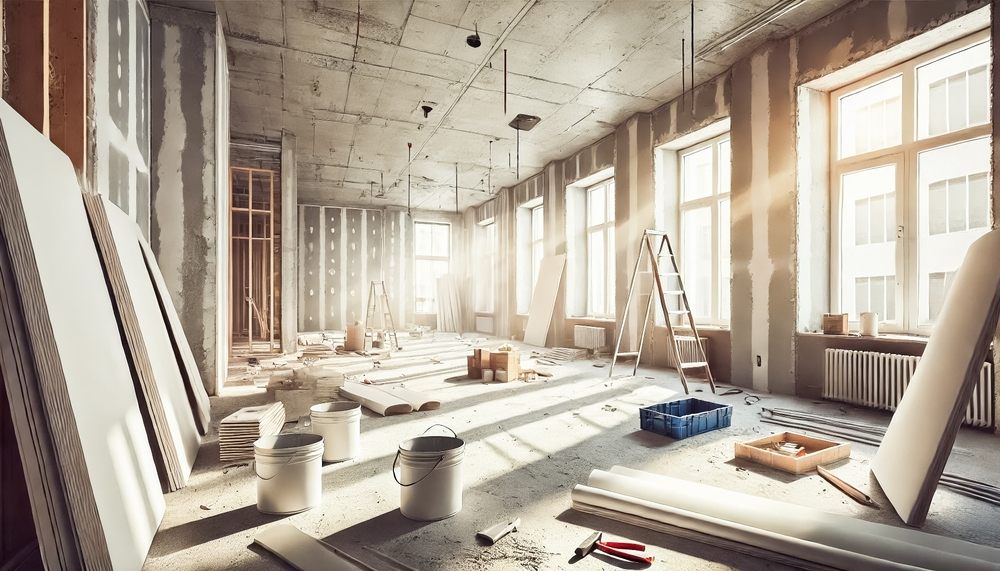
If you plan to fix up your home in Dubai, picking the right drywall is key. Whether you’re doing up a villa or an apartment, the walls and ceilings start with drywall. The best kind of drywall adds comfort, lasts long, and keeps your home safe, very important in Dubai’s hot and often damp air.
This guide will show you different drywalls, what they’re good for, and the best ones for each part of your home. We’ll also look at things to think about with Dubai’s weather and rules so you can make wise, sure choices.
For expert help, consider working with a trusted interior renovation provider in Dubai that understands the climate and compliance requirements.
Why Choosing the Right Drywall Matters in Dubai
Dubai has its own hard weather tests. It deals with hot days, some wet air, and tight fire rules. Picking the wrong wall cover may cause mold, breaks, and fire risks. Know the use of wall cover and choose the right one for each place. This will make your fix work last longer and stay safe.
The Four Main Types of Drywall
1. Standard Drywall
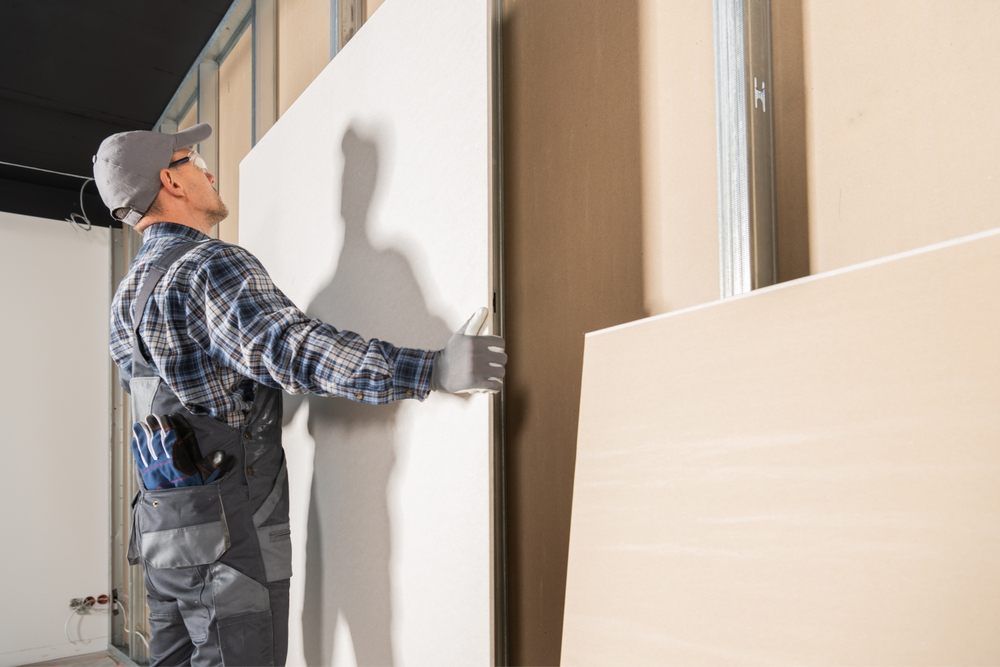
Standard drywall, also called whiteboard, is the type most often used inside homes. It works well for dry spots such as bedrooms, living rooms, and hallways. This kind is simple to put up, doesn’t cost much, and gives a flat face for paint or wallpaper.
But, it isn’t good for spots with a lot of wet air or water. You should not use standard drywall in bathrooms, kitchens, or places for washing clothes where wet air might make it fall apart or get moldy.
Use it for: Bedrooms, living rooms, and dry hallways.
2. Moisture-Resistant Drywall (Green Board)
Moisture-resistant drywall is specifically designed to withstand humid environments. It contains a water-repellent core and is covered with a treated paper facing that resists moisture and mold. While not completely waterproof, it performs far better than standard drywall in damp conditions.
This type of drywall is ideal for areas like bathrooms, kitchens, and laundry rooms, where steam, spills, and high humidity are common. For areas directly exposed to water, such as shower walls, it’s better to use cement board.
Use it for: Bathrooms (except inside showers), kitchens, and laundry rooms.
3. Fire-Rated Drywall
Fire-rated drywall, or Type X drywall, is made thicker and heavier than usual drywall. It has added stuff that helps it hold out against fire for a long time up to an hour. In Dubai, where the rules about fire safety are tight, this type of drywall is a must by law in some parts of houses.
It’s often put in garages, kitchens, stairs, and walls that split apartments or houses. It not only makes places safer, but it also keeps noise down because it is dense.
Use it for: Garages, kitchens, shared walls in apartments, and utility rooms.
4. Acoustic or Soundproof Drywall
Acoustic drywall is designed to reduce noise transfer between rooms. It’s thicker, denser, and often layered with materials that absorb sound. This makes it ideal for home offices, nurseries, or media rooms where noise control is important.
For homes in high-rise buildings or those located near busy roads, acoustic drywall can create a quieter and more comfortable environment. It’s also a great option for anyone who works from home or enjoys watching movies without disturbing others.
Use it for: Home offices, bedrooms in apartments, media rooms, and nurseries.
To learn more about these options and how they’re installed, you can explore a local expert in drywall solutions.
Room-by-Room Drywall Recommendations
Choosing drywall by room function ensures better long-term results and helps avoid costly mistakes. Here’s how to make the best choice in each area of your home.
Living Rooms and Bedrooms
For living rooms and bedrooms, standard drywall is generally sufficient. These are dry spaces that do not require extra moisture or fire resistance. If you live in a noisy area or share a wall with neighbors, consider upgrading to acoustic drywall on at least one wall for better sound insulation.
You can also install thicker drywall or add insulation between walls to enhance comfort and reduce noise.
Kitchens
Kitchens are exposed to heat, humidity, and occasional splashes. Therefore, you should use moisture-resistant drywall on walls and ceilings to prevent mold and deterioration. Around cooking appliances, it’s also wise to use fire-rated drywall, especially near the stove or oven.
For added protection, you can choose drywall that combines both moisture and fire resistance. This is particularly helpful in open-concept kitchens where steam and heat travel easily.
Bathrooms
Bathrooms experience daily steam and high humidity, which can lead to mold if not properly managed. Always use moisture-resistant drywall on walls and ceilings outside the shower area. Inside the shower or tub enclosure, install cement board instead, as it is fully waterproof.
Also, ensure your bathroom has an exhaust fan or proper ventilation. This combination of the right drywall and good airflow will help keep your bathroom fresh and mold-free.
Laundry Rooms
Laundry areas generate both heat and moisture. Use moisture-resistant drywall on the walls and ceilings to prevent mold and moisture damage. For added safety, fire-rated drywall near the dryer is a smart choice, especially if your laundry space is enclosed or located near a living area.
Home Offices and Media Rooms
In work-from-home setups or entertainment spaces, noise reduction becomes a priority. Acoustic drywall will help keep your workspace quiet and allow you to concentrate. It’s also great for creating media rooms where you want to contain sound.
If acoustic drywall isn’t within budget, standard drywall with insulation in the wall cavity can still offer a noticeable improvement in sound quality and privacy.
Garages and Utility Rooms
Garages often contain flammable items, making them a high-risk zone for fire. Fire-rated drywall should always be used on the ceiling and walls that connect to your home. This creates a fire-resistant barrier and gives you more time to react in case of an emergency.
In humid or dusty garage environments, choose drywall that also resists moisture for added durability.
Special Considerations for Dubai Homes
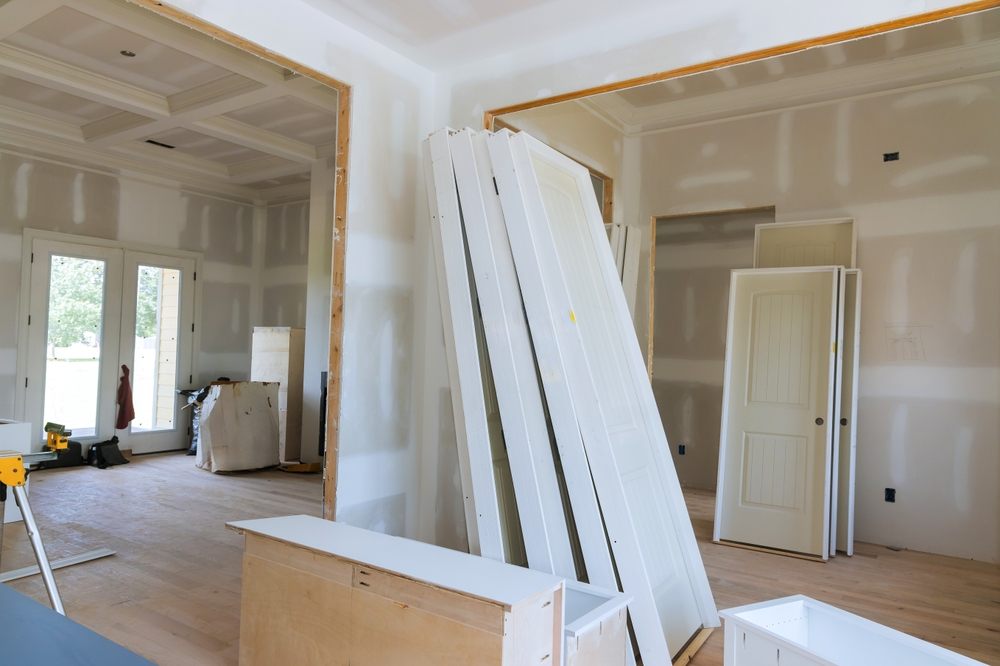
Dubai’s environment presents several unique challenges for homeowners renovating with drywall. Here’s how to adapt:
1. Heat and Thermal Expansion
The extreme heat in Dubai can cause materials to expand and contract. Always use quality drywall and have it installed by professionals who know how to handle temperature fluctuations. This helps prevent cracks and surface defects.
2. Humidity and Moisture Control
Even though Dubai is a desert, homes can still experience humidity especially near the coast or in poorly ventilated bathrooms. Use moisture-resistant drywall in any room where condensation may occur. Make sure your home is well-ventilated to keep humidity in check.
3. Fire Safety Regulations
Dubai has strict fire codes, especially in apartment buildings and attached villas. Fire-rated drywall is often a legal requirement in garages, stairwells, kitchens, and shared walls. Before starting your renovation, consult a licensed contractor to ensure compliance with local fire safety standards.
4. Noise Management in Urban Living
In high-rise buildings or busy neighborhoods, soundproofing can improve your quality of life. Using acoustic drywall in bedrooms or home offices can help block noise from neighbors, traffic, or elevators.
5. Finishing and Sealing
Always finish drywall with proper primer and paint to protect it from dust, moisture, and heat. Sealing joints, corners, and cutouts properly ensures a longer-lasting finish and helps prevent future damage.
Budgeting and Cost-Saving Tips
Drywall is generally an affordable material, but costs vary depending on the type. Standard drywall is the most economical, while fire-rated and acoustic types are more expensive. Here’s how to stay within budget:
- Use standard drywall in dry, low-risk areas.
- Reserve moisture-resistant drywall for kitchens, bathrooms, and laundry rooms.
- Install fire-rated drywall where safety regulations require it.
- Add acoustic drywall only where noise is a concern, such as in bedrooms or media rooms.
Spending a little more upfront in high-risk areas can prevent future problems like mold, fire hazards, or costly repairs.
FAQS
1. What type of drywall should I use in a bathroom?
For bathroom walls and ceilings (outside of the shower), you should use moisture-resistant drywall, often called green board. This type of drywall is specially treated to withstand humidity and reduce the risk of mold. Inside shower enclosures, however, it’s better to use cement board, which is fully waterproof and supports tile installation.
2. Is fire-rated drywall required in Dubai homes?
In many cases, yes. Dubai has strict building and fire safety regulations, especially in villas and apartment buildings. Fire-rated drywall (Type X) is commonly required in garages, stairwells, kitchens, and shared walls between apartments. It helps slow down the spread of fire, giving occupants more time to evacuate safely.
3. Can I use standard drywall in the kitchen?
You can use standard drywall in areas of the kitchen that stay dry, but it’s not recommended. Kitchens generate a lot of heat and steam, so it’s safer and more durable to use moisture-resistant drywall, particularly near sinks and cooking areas. For added safety, fire-rated drywall is also a smart choice near stoves and ovens.
4. What’s the best drywall for soundproofing?
For soundproofing, acoustic drywall is the best option. It’s thicker and denser than standard drywall and is designed to reduce noise transmission between rooms. It’s ideal for bedrooms in apartment buildings, home offices, and media rooms. Alternatively, you can also add insulation between walls to improve sound performance.
5. Does drywall help with thermal insulation in Dubai’s climate?
Drywall on its own provides limited thermal insulation. However, when paired with proper insulation materials behind the wall, it can contribute to better indoor temperature control. In Dubai’s hot climate, combining drywall with foil-backed insulation or mineral wool can improve energy efficiency and help keep your home cool.
6. How do I know if drywall is installed correctly?
Proper installation means drywall panels are securely fastened, seams are taped and mudded smoothly, and moisture-prone areas are sealed tightly. In bathrooms or kitchens, joints should be sealed with appropriate compounds, and screw heads should be covered to prevent water intrusion. If you’re unsure, it’s best to have the work inspected by a licensed contractor or renovation professional.
Final Thoughts
Picking the best drywall for your home fix-up in Dubai means lining up the stuff with each room’s use and keeping in mind the city’s weather and rules. Drywall that fights wet helps stop mold, drywall that can stand up to fire lifts safety, and soundproof drywall makes a calm place.
When you plan early and use the right type where it fits best, you’ll cut down on time, ease upkeep, and have a safer, cozier home. If you’re making a better single room or redoing your whole house, smart picks in drywall will have a big impact.